
Arizona Water Cuts 2027: What They Mean for Phoenix Landscaping
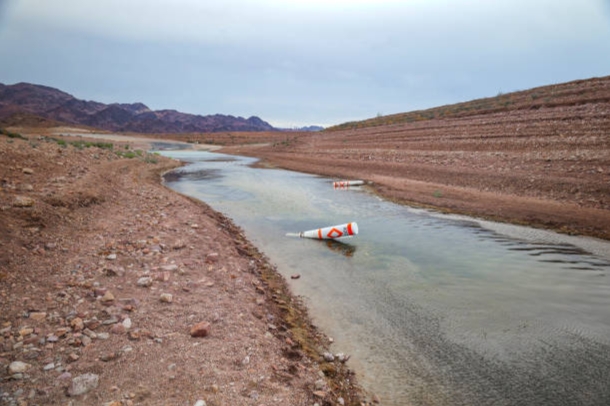
The federal government has finalized major Arizona water cuts for 2027, placing renewed attention on how water is used throughout the state—including the large amount used outdoors.
On August 21, 2026, the U.S. Department of the Interior finalized new Colorado River operating guidelines for 2027 and 2028. Under the plan, Arizona, California and Nevada will collectively receive 1.25 million fewer acre-feet of Colorado River water each year.
According to the U.S. Bureau of Reclamation, Arizona faces the largest reduction:
- Arizona: 760,000 acre-feet per year
- California: 440,000 acre-feet per year
- Nevada: 50,000 acre-feet per year
The agreement also calls for Lower Basin states to voluntarily conserve and store at least 700,000 additional acre-feet over the two-year period.
For Arizona homeowners, this decision does not mean residential water will suddenly be turned off or that every property is immediately subject to new watering restrictions. However, it reinforces a long-term reality: water efficiency will continue to influence how Phoenix-area landscapes are designed, irrigated and maintained.
How Much Water Is 760,000 Acre-Feet?
An acre-foot is the amount of water required to cover one acre of land with water one foot deep. It equals approximately 325,851 gallons.
Arizona’s annual reduction of 760,000 acre-feet therefore represents approximately 247.6 billion gallons of water.
That does not mean 247.6 billion gallons will be taken directly from residential customers. Colorado River allocations support agriculture, cities, tribal communities, businesses and other users throughout the state.
It does, however, show the enormous scale of Arizona’s water challenge.
The Department of the Interior’s official decision explains that the new guidelines are intended to protect critical Colorado River infrastructure and respond to declining reservoir conditions.
Why Is Arizona Facing Colorado River Water Cuts?
The Colorado River supplies water to seven states, tribal nations and Mexico. It also supports agriculture, cities, businesses, ecosystems and hydroelectric power generation.
The river system has been affected by:
- Long-term drought
- Reduced snowpack and runoff
- Extremely high temperatures
- Increased evaporation
- Population growth
- Historic over-allocation of the river
- Declining levels at Lake Mead and Lake Powell
The Arizona Department of Water Resources reported in May 2026 that the state’s drought panel recommended continuing Arizona’s drought-emergency status.
The new 2027 and 2028 operating rules are a short-term response while the Colorado River Basin states continue working toward a longer-term management agreement.
Will the Arizona Water Cuts Affect Phoenix Homeowners?
The finalized federal decision does not automatically create a new residential watering restriction for every Phoenix-area homeowner.
Arizona’s water system is complex. Different cities and water providers rely on different combinations of Colorado River water, Salt and Verde River supplies, groundwater, reclaimed water and stored reserves.
The immediate effects will depend on how Arizona distributes the reductions among its water users and how individual cities and water providers manage their supplies.
Homeowners should check with their own city or water provider for current watering schedules, restrictions and conservation programs.
What is already clear is that Phoenix-area communities are encouraging residents to reduce unnecessary outdoor water use.
The City of Phoenix says that up to 70% of household water use can occur outdoors.
That makes landscaping one of the largest opportunities for homeowners to conserve water without eliminating attractive, usable outdoor spaces.
How Much Household Water Is Used Outdoors?
According to the U.S. Environmental Protection Agency, approximately 30% of an average American household’s water is used outdoors.
Outdoor consumption can be much higher in hot, dry parts of the country.
The EPA reports that households in dry climates may use between 30% and 70% of their water outdoors. The agency also estimates that as much as 50% of outdoor water may be wasted through evaporation, wind, runoff and inefficient irrigation.
The City of Phoenix places local outdoor water use near the higher end of that range, reporting that up to 70% of residential water use may occur outside.
These statistics connect Arizona’s water news directly to residential landscaping.
A broken sprinkler, leaking drip line, outdated controller or poorly designed watering schedule can waste significant amounts of water without the homeowner immediately noticing.
What Is Water-Efficient Landscaping?
Water-efficient landscaping is designed to create an attractive outdoor space while reducing unnecessary irrigation and maintenance.
It may include:
- Desert-adapted and drought-tolerant plants
- Native Arizona plants
- Decorative rock or gravel
- Decomposed granite
- Efficient drip-irrigation systems
- Proper irrigation zoning
- Smart irrigation controllers
- Artificial turf in selected areas
- Paver patios and walkways
- Appropriate plant placement
- Rainwater harvesting features
- Reduced areas of water-intensive grass
Water-efficient landscaping does not mean covering the entire yard with plain gravel or removing every plant.
A professional landscape can combine plants, shade, hardscaping, turf and outdoor living areas to create a yard that is visually appealing and better suited to Arizona’s climate.
Bermuda Landscape AZ provides complete landscaping services in Phoenix, including desert landscaping, artificial turf, irrigation installation and repair, pavers, decorative rock and yard upgrades.
Desert Landscaping and Xeriscaping
Xeriscaping is a landscape-design approach that reduces the need for supplemental irrigation.
A Phoenix xeriscape may combine:
- Native or desert-adapted plants
- Cactus and succulents
- Decorative rock
- Decomposed granite
- Drip irrigation
- Pavers
- Mulch
- Trees positioned for shade
- Plants grouped according to watering needs
The Arizona Department of Water Resources recommends combining rainwater harvesting with native, low-water-use and desert-adapted plants.
Grouping plants with similar watering needs is particularly important. When high-water and low-water plants share the same irrigation zone, part of the landscape may receive too much or too little water.
Bermuda Landscape AZ creates low-maintenance yards as a licensed landscaper in Phoenix, ROC #358405.
Efficient Irrigation Can Produce Major Water Savings
An irrigation system is only efficient when it is properly designed, programmed and maintained.
Common irrigation problems include:
- Broken sprinkler heads
- Cracked drip tubing
- Missing emitters
- Underground leaks
- Sprinklers watering pavement
- Excessive water pressure
- Incorrect watering schedules
- Plants with different needs sharing one irrigation zone
- Water running off the property
- Controllers that are not adjusted seasonally
The EPA WaterSense program reports that replacing a traditional clock-based irrigation controller with a WaterSense-labeled controller can reduce an average home’s irrigation use by up to 30%.
The EPA estimates that this change may save an average household as much as 15,000 gallons of water annually.
However, a smart controller cannot repair a broken pipe, clogged emitter or damaged sprinkler head. The physical irrigation system still needs to operate correctly.
Bermuda’s Phoenix landscaping services include irrigation installation, sprinkler repair, drip-system service and yard maintenance.
Is Artificial Turf a Water-Saving Option?
Artificial turf can reduce irrigation needs by replacing areas of living grass that would otherwise require regular watering.
Potential benefits include:
- No routine lawn irrigation
- No mowing
- No fertilizer
- No reseeding
- Green appearance throughout the year
- Reduced routine lawn maintenance
- Useful areas for pets, play and outdoor activities
Artificial turf is not entirely maintenance-free. It may need brushing, debris removal and occasional rinsing, particularly in pet areas.
It can also become hot in direct Arizona sunlight, so homeowners should consider shade, placement, surface temperature and how the area will be used.
A balanced landscape may combine artificial turf with pavers, shade trees, desert-adapted plants and decorative rock rather than installing one material across the entire yard.
Homeowners comparing different low-maintenance surfaces can review Bermuda’s guide to artificial turf versus pavers in Arizona.
Can Pavers Help Create a Low-Water Yard?
Pavers do not require irrigation and can transform part of a water-intensive yard into functional outdoor living space.
Pavers can be used for:
- Patios
- Walkways
- Driveways
- Pool areas
- Seating areas
- Outdoor kitchens
- Garden borders
- Transitions between turf and desert landscaping
Professionally installed pavers can reduce the amount of irrigated landscape while improving access, usability and curb appeal.
Bermuda Landscape AZ provides professional paver installation in Phoenix for patios, walkways, driveways, pool decks and outdoor living areas.
Does Phoenix Offer Grass-Removal Incentives?
The City of Phoenix has announced a residential grass-removal incentive designed to encourage homeowners to replace qualifying living grass with water-efficient, desert-adapted landscaping.
The program has offered:
- $2 per square foot of qualifying grass removed
- A minimum of 250 square feet of grass
- Landscape-design educational resources
- Applications processed on a first-come, first-served basis
Program availability, funding and eligibility requirements can change. Homeowners should verify the current rules with the City of Phoenix before beginning work or assuming their property qualifies.
Phoenix also provides separate water-conservation incentives for certain businesses and homeowners associations.
How Phoenix Homeowners Can Prepare for a Water-Efficient Future
The Arizona water cuts for 2027 do not require homeowners to remove every lawn or replace an entire landscape immediately.
Homeowners can begin with practical improvements:
1. Inspect the irrigation system
Run each irrigation zone and look for broken heads, leaks, clogged emitters and water spraying onto sidewalks or streets.
2. Adjust watering schedules seasonally
Plants generally require less water during cooler months. Irrigation schedules should not remain identical throughout the year.
3. Repair leaks quickly
A small irrigation leak can waste water repeatedly when the system operates overnight.
4. Group plants by watering needs
Desert plants should not share an irrigation zone with plants requiring substantially more water.
5. Reduce unused grass
Consider whether every section of living grass serves a practical purpose. Unused areas may be converted to desert landscaping, pavers or artificial turf.
6. Add low-water plants
Native and desert-adapted plants can provide color, texture and shade with less supplemental irrigation than water-intensive varieties.
7. Create functional hardscaping
Pavers and patios can turn unused irrigated space into outdoor seating, dining or entertainment areas.
8. Request a professional landscape assessment
A landscaper can help identify inefficient irrigation, difficult-to-maintain areas and opportunities to redesign the yard around Arizona conditions.
The Connection Between Arizona’s Water Cuts and Your Yard
The facts connect in a straightforward way:
- The federal government finalized major Colorado River reductions for 2027 and 2028.
- Arizona faces the largest reduction at 760,000 acre-feet annually.
- Arizona continues to experience long-term drought.
- Outdoor water use represents a substantial portion of household consumption in Phoenix.
- Inefficient irrigation can waste water through leaks, evaporation, wind and runoff.
- Desert landscaping, irrigation repairs and appropriate hardscaping can reduce unnecessary outdoor water use.
- Phoenix homeowners can conserve water without giving up an attractive, functional yard.
Water-efficient landscaping will not solve the Colorado River crisis by itself. Agricultural, municipal, industrial and interstate decisions involve much larger volumes of water.
However, residential landscaping is one area where individual property owners can reduce waste, lower maintenance and create outdoor spaces better suited to the Sonoran Desert.
Plan a Water-Efficient Phoenix Landscape
Bermuda Landscape AZ helps Phoenix-area homeowners design and build attractive outdoor spaces for Arizona’s heat and limited water resources.
Services include:
- Desert landscaping and xeriscape
- Artificial turf installation
- Irrigation installation and repair
- Paver patios and walkways
- Decorative rock installation
- Hardscaping
- Yard cleanups
- Tree and shrub trimming
- Outdoor living improvements
Bermuda Landscape AZ serves Phoenix, Scottsdale, Tempe, Mesa, Chandler, Gilbert, Ahwatukee, Paradise Valley, Laveen, Goodyear and surrounding Valley communities.
Learn more about Bermuda’s Phoenix landscaping company or call 480-232-9782 for a free estimate.
Licensed Arizona contractor: ROC #358405
Frequently Asked Questions
How much water will Arizona lose in 2027?
The Bureau of Reclamation’s finalized plan calls for Arizona to receive 760,000 fewer acre-feet of Colorado River water in 2027. The same reduction is planned for 2028 if the Lower Basin states implement their proposed sharing agreement.
Will Arizona homeowners have new watering restrictions in 2027?
The federal decision does not automatically create the same residential restriction for every Arizona homeowner. Rules will depend on how Arizona distributes the reductions and how individual cities and water providers manage their supplies.
How much water does Phoenix use outdoors?
The City of Phoenix reports that up to 70% of residential water use may occur outdoors, making landscaping and irrigation major opportunities for conservation.
What is the best low-water landscaping for Phoenix?
A water-efficient Phoenix landscape may combine desert-adapted plants, decorative rock, decomposed granite, efficient drip irrigation, pavers and limited artificial turf.
Can irrigation repairs reduce water use?
Yes. Repairing leaks, broken sprinkler heads, damaged drip lines and incorrectly programmed controllers can prevent unnecessary water waste.
Is artificial turf completely maintenance-free?
No. Artificial turf eliminates routine lawn watering and mowing, but it still requires debris removal, brushing and occasional rinsing.
Does Bermuda Landscape AZ provide free estimates?
Yes. Bermuda Landscape AZ provides free landscaping estimates for homeowners throughout Phoenix and surrounding Valley communities. Call 480-232-9782 to request an estimate.